Lamp Silhouette Vector: A Designer’s Real-World Embroidery Review
First Impression: Quiet Elegance, Not Overstatement
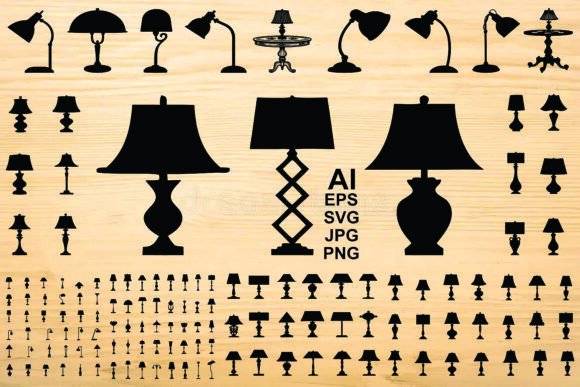
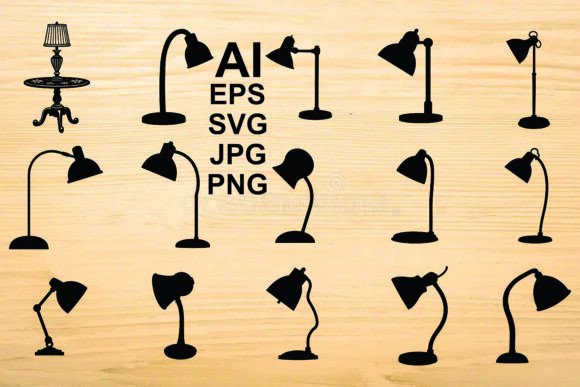
Opening Lamp Silhouette Vector feels like flipping through a well-worn interior design book from the 1930s — soft curves, balanced weight, and just enough ornate detail to suggest craftsmanship without demanding attention. It’s not a bold graphic or a trendy minimalist shape; it’s a vintage lamp silhouette, clean-lined but rich in period character. The collection leans into classic furniture motifs — pedestal bases, curved arms, shaded globes — all rendered as unified silhouettes, not outlined illustrations. That matters: for embroidery, solid shapes translate more reliably than thin strokes or fine linework.
Where This Design Naturally Lives (and Sells)
I recently tested Lamp Silhouette Vector on a linen-cotton blend tea towel for a local boutique’s holiday collection. Why that? Because this design thrives where subtlety meets intention: nursery pillow covers, ceramic mug sleeves, embroidered aprons for vintage-themed bakeries, and even baby onesies where delicate scale reads as thoughtful, not fussy. It also works beautifully as a small chest emblem on a heavyweight cotton sweatshirt — centered just below the collarbone, stitched in matte black thread. Customers responded with phrases like “so quietly lovely” and “feels handmade, not mass-produced.” That’s the sweet spot: Lamp Silhouette Vector adds warmth and narrative without shouting.
What Holds Up Under the Needle — and What Needs Caution
In real stitching, the vector’s clean edges and moderate negative space hold up exceptionally well across common embroidery applications:
- Tote bags & aprons: Excellent for medium-to-large hoop sizes (5" x 7" or larger). The silhouette fills space gracefully without overcrowding — no dense fill stitch traps or thread nesting.
- Patches & cap fronts: Works cleanly at 3–4" wide when digitized thoughtfully. Avoid placing near the curved bill seam unless you’ve confirmed stitch alignment on a test cap.
- Baby items & nursery decor: Soft visual rhythm makes it calming and age-appropriate. Just ensure your stabilizer is lightweight and tear-away — no harsh backing on delicate fabrics.
- Holiday & wedding gifts: Paired with a simple monogram or date in a complementary serif font, it reads as heirloom-quality, not seasonal clutter.
But be mindful where Lamp Silhouette Vector asks for extra care:
- Small hoops (<4"): The base pedestal and globe proportions can compress awkwardly. Test at 3.5" first — some details may merge or lose definition.
- Textured or stretchy fabrics: Heavy terry cloth or jersey requires tighter stabilizer control. The silhouette’s smooth outline can blur if fabric shifts mid-stitch.
- Dark or heavily patterned backgrounds: Since it’s a silhouette-based design, contrast is non-negotiable. Always preview in black-and-white mockups — what reads clearly on screen may vanish on charcoal linen.
- Frequent-wash items (kitchen towels, baby bibs): Confirm stitch density isn’t too sparse — fine outer outlines should remain legible after 20+ washes.
How It Shapes Perception — and Why That Matters
Lamp Silhouette Vector doesn’t just decorate — it signals intention. On an Etsy listing for personalized nursery pillows, it elevates perceived value because it feels curated, not clip-art. For a craft fair booth selling embroidered tea towels, it reinforces brand consistency: timeless, tactile, quietly refined. Buyers don’t see “vector file” — they see “someone chose this *because* it fits.” That builds trust faster than any product description.
It also supports professionalism in subtle ways: the balanced weight prevents top-heaviness on caps or asymmetry on tote bags. And because it’s rooted in interior decor rather than generic iconography, it avoids looking like a stock asset — critical if you’re building a recognizable shop identity as an Etsy seller or small shop owner.
Practical Designer Notes Before You Stitch
Before committing to a client project or production run:
- Always stitch a test on scrap fabric — same fiber content, same stabilizer, same thread colors you’ll use.
- Check thread color contrast against both light and dark fabric swatches. Matte cotton threads often read softer than rayon — adjust accordingly.
- Review stitch density in your embroidery software. Lamp Silhouette Vector’s ornate base shouldn’t become a stiff, heavy patch.
- Confirm hoop size compatibility — especially if adapting for caps or curved surfaces.
- Inspect corners and narrow curves closely. Vintage-inspired shapes sometimes include tight filigree that may need slight simplification for reliable satin stitch coverage.
- Test black-and-white mockups before finalizing digital previews for your shop — customers rely on those visuals.
- Use appropriate stabilizer: cutaway for knits, tear-away for stable wovens, and lightweight fusible for sheer or delicate layers.
- Verify licensing for commercial use — Lamp Silhouette Vector is listed under Illustrations and Graphics, so confirm whether resale of finished embroidered products or digital embroidery files is permitted.
Final Thought: A Design That Earns Its Place
Lamp Silhouette Vector isn’t flashy. It won’t trend on TikTok overnight. But in the hands of a thoughtful embroidery designer or creative entrepreneur, it becomes a quiet anchor — the kind of design that makes a custom apron feel like a gift, turns a plain sweatshirt into a conversation starter, and gives a boutique product its signature calm confidence. It rewards attention to detail, respects fabric integrity, and aligns naturally with handmade values. If your work lives at the intersection of vintage charm and modern craft — this isn’t just another embroidery file. It’s a considered choice.