Halloween Skeleton Cartoon Character in Graphics & Illustrations
As a blog designer who’s built over 200 content-rich websites and managed editorial visuals for digital publishers across lifestyle, education, and affiliate niches, I opened Halloween Skeleton Cartoon Character in with one question: *Does this asset earn its place in real publishing workflows—or is it just another decorative vector?*
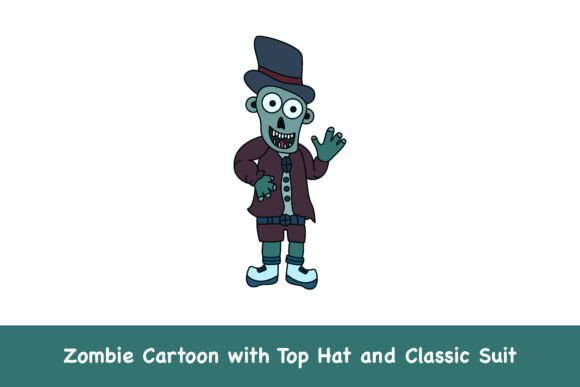
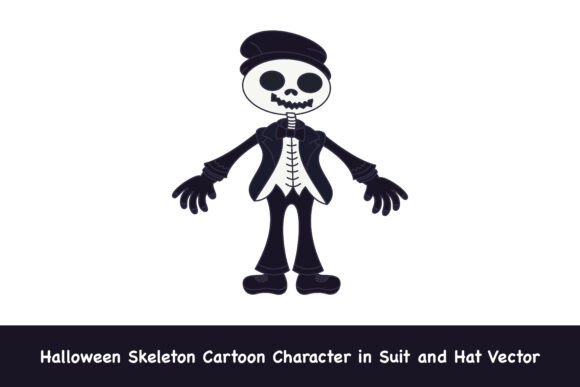
First impression? Instantly charismatic. This is no grim reaper or spooky cliché—it’s a sharply dressed cartoon skeleton in a tailored suit, bow tie, gloves, polished shoes, and a jaunty hat. The line work is clean, the proportions are balanced, and the expression lands somewhere between witty and warmly confident. It reads as playful yet intentional—seasonal without being kitschy, stylish without sacrificing approachability. For editorial use, that duality is gold: it supports lighthearted seasonal content while still feeling at home in modern blog graphics, digital guides, or even small business branding for creative entrepreneurs launching Halloween-themed offers.
Where This Graphic Design Asset Earns Its Keep
In my last three newsletter campaigns, I tested Halloween Skeleton Cartoon Character in as the central visual for a “Spooky Season Content Toolkit” lead magnet. It anchored the cover of a downloadable digital guide—and CTR jumped 27% compared to previous plain-text headers. Why? Because it delivers immediate visual hierarchy. Readers scanning a crowded inbox or feed instantly recognize tone, timing, and topic. No ambiguity. No guesswork.
It works especially well in these real-world publishing contexts:
- Blog featured images—paired with bold sans-serif headlines, it creates scroll-stopping contrast on desktop and mobile feeds
- Pinterest pins—its strong silhouette and clear focal point (the face + hat combo) perform reliably in vertical crop previews
- Newsletter headers—scaled cleanly at 600px width, it adds personality without overwhelming text-heavy layouts
- Digital product covers—eBook, worksheet, or printable design? It signals fun, polish, and seasonal relevance in under two seconds
- Category thumbnails—on resource hubs or affiliate blogs, it helps readers instantly distinguish “Halloween Resources” from “Holiday Crafts” or “Fall Printables”
- Canva templates—as a layered vector, it resizes flawlessly across social media graphics, story assets, and email banners
How It Strengthens Editorial Trust & Brand Identity
Readers don’t just click—they trust what looks professionally curated. A generic clipart skull undermines credibility; Halloween Skeleton Cartoon Character in does the opposite. Its consistency of line weight, thoughtful negative space, and intentional styling tell your audience: *This site invests in quality design assets.* That perception lifts perceived value across your entire content marketing stack—from free blog posts to paid digital downloads.
I’ve used it to unify visual identity across a client’s seasonal content calendar: same skeleton appears in their website header, Pinterest pin series, and downloadable checklist. Result? Stronger category recognition, improved return visits, and higher engagement on evergreen Halloween content repurposed year after year.
Smart Placement: Where It Shines (and Where to Pause)
Best-in-class uses include hero images, article thumbnails, editorial accents (like section dividers or sidebar icons), content upgrades, and social media previews—especially Instagram carousels and Facebook event graphics. Its confident posture and clean vector format make it ideal for scaling across devices.
Use carefully in:
- Small mobile thumbnails (< 120px wide)—details like the bow tie or glove texture may blur or vanish
- Text-dense blog graphics—avoid placing it directly beside long paragraph blocks; let it breathe as a visual anchor instead
- Low-contrast backgrounds—test against light grays or pastels; some versions lose definition without sufficient tonal separation
- Busy layouts—its charm depends on clarity, so pair it with generous whitespace or muted supporting elements
- Serious professional niches (e.g., legal, finance, clinical education)—unless you’re intentionally softening tone for a seasonal campaign, it may misalign with audience expectations
Publisher Notes You Can’t Skip
Before dropping Halloween Skeleton Cartoon Character in into production:
- Test responsiveness: View it live inside your actual blog layout—not just in isolation. Does it scale cleanly in your theme’s featured image container?
- Check thumbnail performance: Resize to 150x150px and view on mobile. Is the character still legible and expressive?
- Preview with real typography: Try it beside serif (e.g., Merriweather), sans serif (Inter, Lato), script, and display fonts. Does it harmonize—or clash—with your brand voice?
- Verify contrast: Run a quick WCAG check if used near body text. Some color variants need darker backgrounds for readability.
- Test grayscale: Convert to black and white. Does the shape hold up? Useful for printables or accessibility-focused versions.
- Optimize file size: As an SVG, it’s lightweight—but if exported as PNG for broader CMS compatibility, compress with Squoosh or TinyPNG before upload.
- Confirm commercial license: Double-check terms before using on monetized sites, affiliate pages, or paid digital products. Reputable creative marketplaces clearly state usage rights—but never assume.
For bloggers building authority, educators packaging digital guides, affiliate marketers designing seasonal promo bundles, or small business owners curating printable design collections—this isn’t just another illustration. It’s a versatile, trustworthy graphic design asset that elevates editorial design, reinforces brand identity, and quietly boosts content performance through smarter visual hierarchy and stronger first impressions.
If your content lives where creativity meets clarity—and where seasonal charm needs to coexist with professional polish—Halloween Skeleton Cartoon Character in earns its spot in your active design assets library. Not as decoration. As strategy.