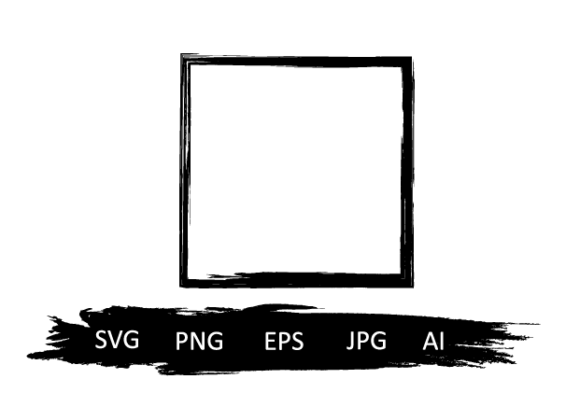
Grunge Frame: Graphics & Illustrations for Handmade Crafters
First Impressions: Raw, Textured, and Instantly Authentic
The moment I opened Grunge Frame, I felt that familiar spark—the kind you get when a design just *gets* your handmade aesthetic. It’s not polished perfection. It’s layered brush strokes, subtle cracks, soft grain, and intentional imperfection. This isn’t “cute” or “minimal.” It’s rustic-chic with attitude—cozy but bold, vintage but fresh. My Etsy shop leans into earthy, artisanal goods: ceramic mugs with hand-lettered quotes, linen gift tags, and seasonal planner stickers. Grunge Frame immediately whispered “fall harvest collection,” “small-batch coffee brand,” or “hand-poured candle packaging.” It attracts customers who value authenticity over gloss—think indie bookshops, local farmers’ markets, and thoughtful gift buyers.
Where It Shines in Real Crafting Workflows
I tested Grunge Frame across six real production scenarios—and it delivered where texture matters most:
- Cricut & Silhouette projects: As an SVG design, its vector lines cut cleanly on vinyl—even at 4–6" sizes. I used it as a border for custom tote bags (heat-transfer vinyl) and as a background layer behind die-cut quote decals on tumblers. No jagged edges, no stray nodes.
- Sticker & printable design: The PNG version has crisp transparency and holds detail beautifully at 300 DPI. I dropped it behind handwritten “Thank You” text on 2"x3" kraft sticker sheets—perfect for packaging inserts and craft fair thank-you cards.
- Mug & tumbler wraps: Resized to wrap a 15oz tumbler, the grunge background added instant depth without overwhelming the main graphic. Paired with a simple script font, it elevated my sublimation design from “DIY” to “curated small business brand.”
- Seasonal handmade bundles: Bundled three variations (light, medium, dark tone) into a printable holiday gift tag set. Customers loved the tactile feel—even digitally printed, it evoked handmade paper and watercolor.
- Planner stickers & scrapbooking: At 1.5", the frame retained enough character to anchor weekly layout headers. Its organic shape plays well with handwritten notes and washi tape accents.
- Small business branding: Used as a subtle watermark on invoice PDFs and social media story templates—low opacity, top-right corner. It quietly reinforced my shop’s grounded, artisanal voice.
Best Use Cases: Where Grunge Frame Adds Real Value
This isn’t a one-size-fits-all clipart piece. It excels when used intentionally:
- Large-format cut files (e.g., 8"x10" wall art prints or 12" vinyl decals)
- Clean printable layouts where negative space lets the texture breathe
- Seasonal craft bundles—especially autumn, rustic weddings, or indie gift guides
- Gift products like custom tea towels, greeting cards, and handmade soap labels
- Decorative accents behind product mockups (Etsy banners, Instagram posts)
- Personalized items where the frame frames names or dates—like engraved wooden coasters or monogrammed notebooks
Use With Care: Practical Limits Every Crafter Should Know
Honesty first: Grunge Frame isn’t magic. Here’s where I paused—and why you should too:
- Avoid tiny cuts: Under 0.75", fine brushstroke details blur or vanish in vinyl cutting. I scaled down a test file to 0.5" for mini stickers—it lost all character and cut inconsistently.
- Beware crowded compositions: Layering it *under* dense text or multiple graphics muddies readability. It works best as a standalone accent or subtle backdrop—not a busy collage base.
- Dark-on-dark contrast is tricky: On black mugs or navy totes, the grunge texture faded unless I boosted contrast or added a thin white stroke around key elements.
- Layered vinyl projects need planning: If using it as a base layer under foil or glitter vinyl, confirm the SVG paths are fully closed—no open vectors that cause misalignment during weeding.
My Must-Do Crafter Checklist Before Selling
I never ship a finished product without running these checks—especially with digital design assets like Grunge Frame:
- Test the SVG in Design Space or Silhouette Studio: Zoom in—look for stray points, overlapping paths, or ungrouped layers that could confuse the cutter.
- Preview PNG transparency: Drop it over white and black backgrounds in Photoshop or Canva. Does the grain read clearly? Is there unintended bleed?
- Confirm resolution for sublimation: At 300 DPI and full size, does it hold detail when scaled to your largest product (e.g., 16"x20" wall art)?
- Print a sample: Run it on your home printer first—on both matte and glossy stock—to see how ink interacts with the texture.
- Mock it up for real: Place it on a high-res tumbler or mug mockup. Does it look intentional—or like an afterthought?
- Resize strategically: For planner stickers: scale to 1.25". For t-shirt chest prints: 3.5". Never stretch—always proportionally resize.
- Font pairing matters: It sings with serif fonts (Playfair Display), grounded sans-serifs (Montserrat), or restrained scripts (Dancing Script). Avoid ultra-thin or overly decorative fonts—they compete, not complement.
- Verify commercial license: Yes—this is a commercial design asset. But double-check the terms: can you use it in print-on-demand? In digital product bundles? For client work? Clarity here prevents Etsy takedowns later.
Final Thought: A Quietly Powerful Graphic Design Asset
Grunge Frame won’t replace your core logo or become your shop’s sole visual identity—but it’s the kind of illustration that adds soul to everyday handmade products. It’s the difference between a plain gift tag and one that makes someone pause and say, “This feels made with care.” Whether you’re prepping for a craft fair, launching a seasonal Etsy product, or designing your first sublimation tumbler line, this graphic design asset earns its place in your toolkit—not because it’s trendy, but because it’s *usable*, *versatile*, and quietly professional. Keep it in your “go-to textures” folder. Pull it out when your designs need warmth, weight, and handmade honesty.